Cassava Starch Could Become a Solution to Waste Accumulation in Landfills
Thursday, 18 December 2025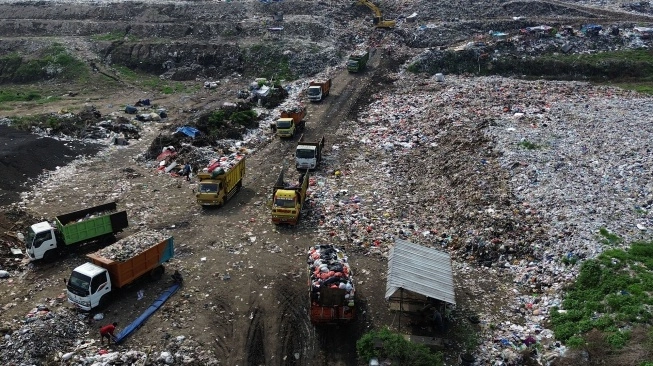
Indonesia’s waste problem, particularly at landfills (TPA), requires technological breakthroughs that are both practical and environmentally sustainable.
Addressing this challenge, Greenhope, a sustainable materials technology company, introduced an environmentally friendly waste cover innovation made from cassava starch.
This technology is designed to replace the use of soil as a temporary cover for waste piles, which has long been considered inefficient and damaging to land resources.
This bioplastic product comes in the form of plastic film sheets measuring 1 meter wide and up to 250 meters long, with a thickness of around 80 microns.
Since its development began in 2017, the innovation has been focused on serving as a temporary landfill cover to prevent foul odors, the spread of diseases through flies, and air pollution.
Its main advantage lies in its ability to naturally decompose in landfill environments within approximately three months, without leaving harmful microplastic residues in the ecosystem.
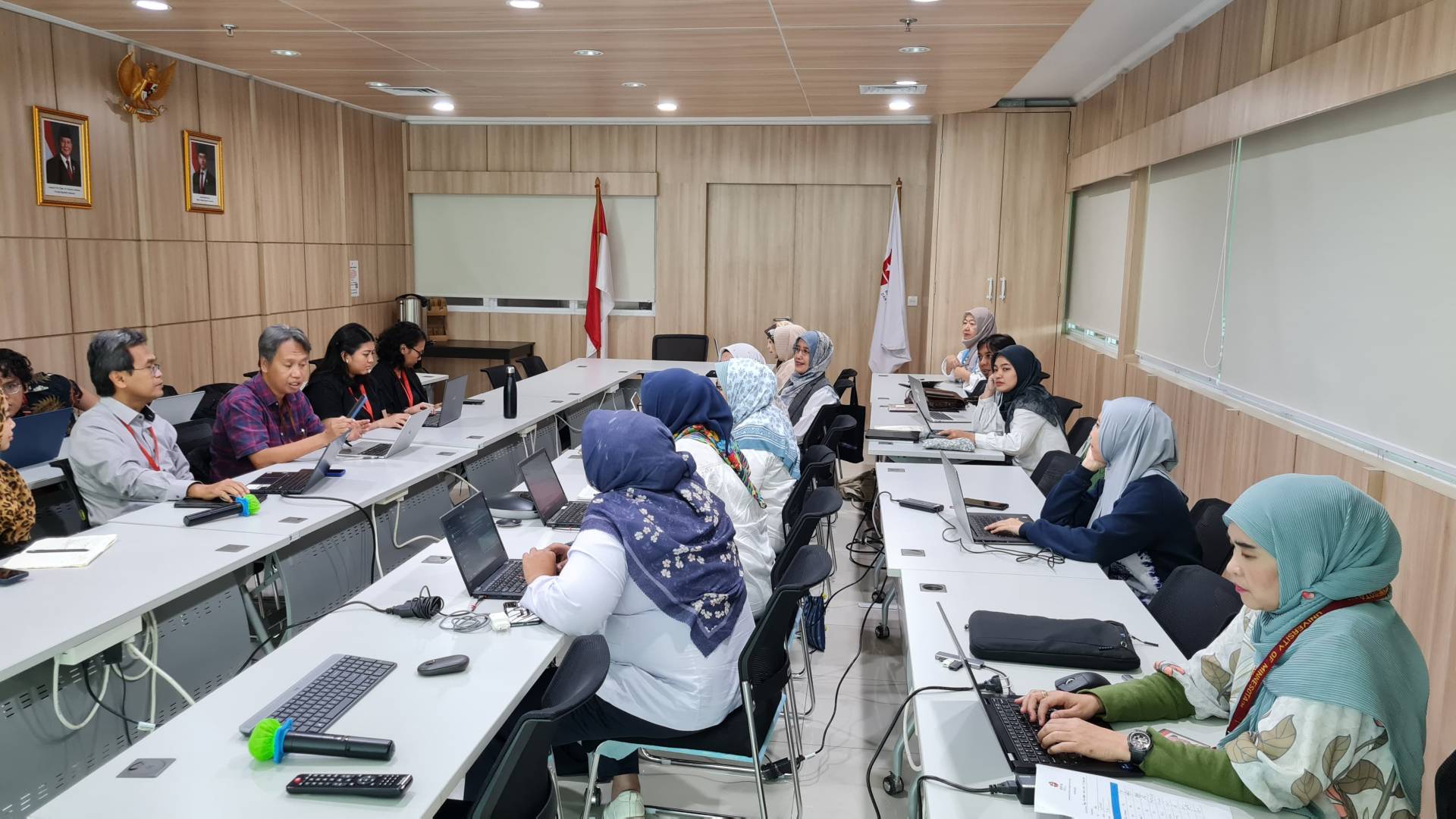
The technology was officially introduced during an interactive forum held at Greenhope’s factory in Cikupa, Tangerang Regency, on Wednesday (12/17).
The event was attended directly by Deputy Minister of Environment Diaz Hendropriyono. During the presentation session, Greenhope Co-Founder & CEO Tommy Tjiptadjaja explained how this plant-based cover works scientifically in real-world applications.
According to Tommy, the cover not only functions as a physical barrier but also supports the biodegradation process of the waste underneath it.
The cassava starch material breaks down into H2O liquid, natural gases such as CO2, and beneficial soil biomass. This provides additional value by improving soil fertility around waste processing areas after the cover’s lifecycle ends.
“From the very beginning, our dream has been to build a business that creates direct environmental and social impact. This product not only helps landfills but also improves the welfare of local cassava farmers,” Tommy said.
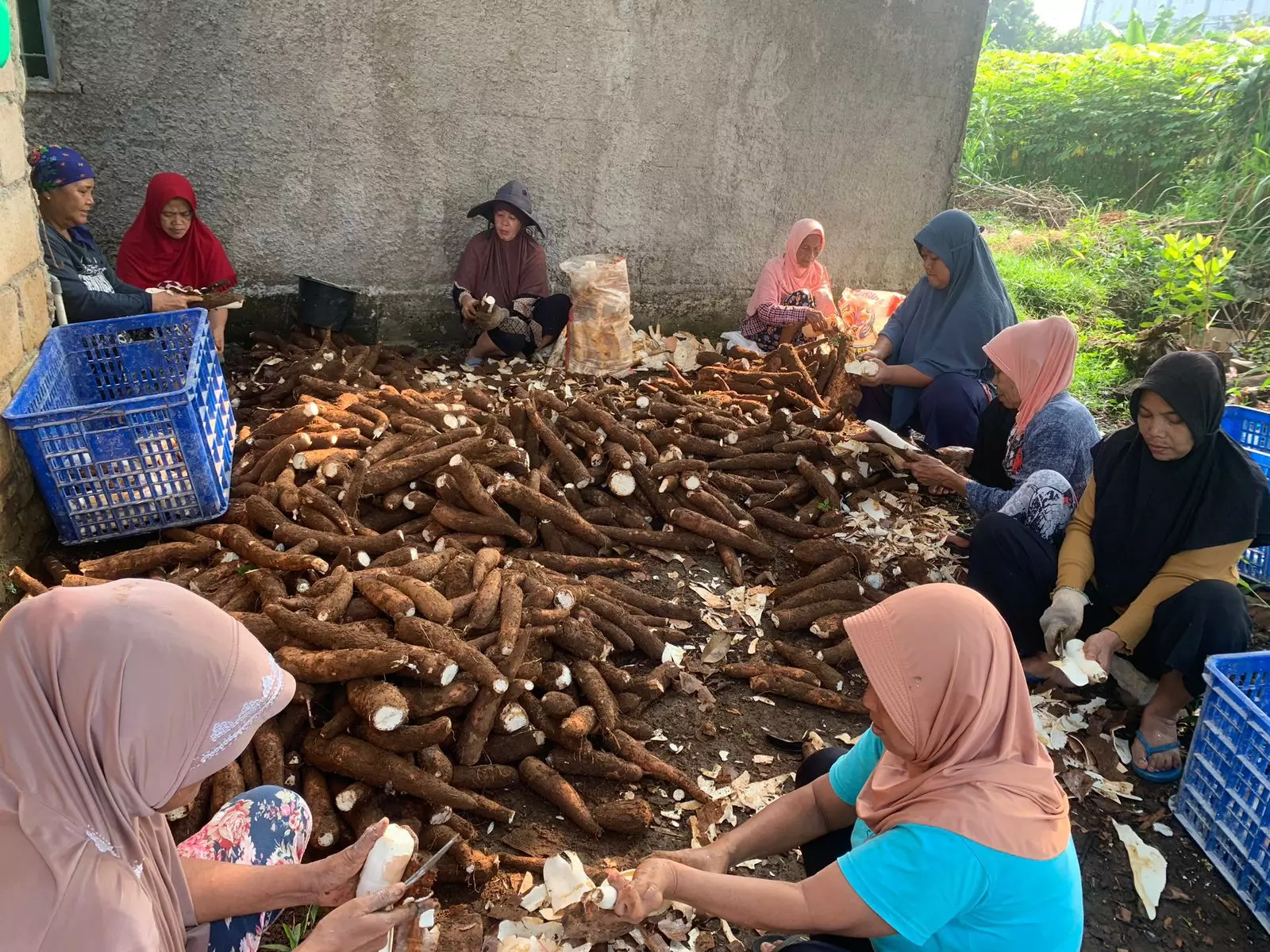
Greenhope focuses not only on the technical aspects of materials but also on building an inclusive business ecosystem. The company is known to purchase cassava from local farmers at premium prices to ensure a sustainable supply chain.
For these efforts, Greenhope has obtained the Fair for Life certification, confirming that the company upholds social sustainability and fair trade standards.
From an operational perspective, the use of cassava starch covers is claimed to be far more economical compared to conventional methods using soil cover.
Tommy explained that landfill operators can significantly reduce costs. In addition, installation is far more practical because it does not require heavy equipment such as excavators to level the soil.
“The cost is around one-quarter of using soil cover, and it does not require heavy equipment. Two people are enough for installation,” Tommy explained.
This method is also considered more environmentally friendly because it eliminates the need for excavation or land clearing elsewhere just to obtain soil for covering waste.
This innovative technology has begun partial trials at Pekalongan Landfill since November 2025. The process serves as an initial step to evaluate the material’s effectiveness on a larger scale before national implementation.
Although using organic covers, permanent closure procedures will still be carried out according to operational standards once the landfill reaches maximum capacity.
Deputy Minister of Environment Diaz Hendropriyono expressed high appreciation for this local innovation.
He emphasized that the Ministry of Environment will continue supporting innovations that provide real solutions to Indonesia’s waste problems, particularly in transforming waste management systems from open dumping into more standardized systems.
“There is no reason for us to hinder good innovation. Solutions like this are important in driving the transformation of landfills from open dumping systems into controlled landfills and sanitary landfills, in accordance with Law No. 18 of 2008,” he said.
The government stated that it remains highly open to various technology-based approaches supported by scientific studies, ranging from Waste-to-Energy (WTE) and Refuse Derived Fuel (RDF) to biodegradable products such as those developed by Greenhope.
Source article: https://www.suara.com/bisnis/2025/12/18/220300/pati-singkong-bisa-jadi-solusi-penumpukan-sampah-di-tpa?page=2
Latest Post